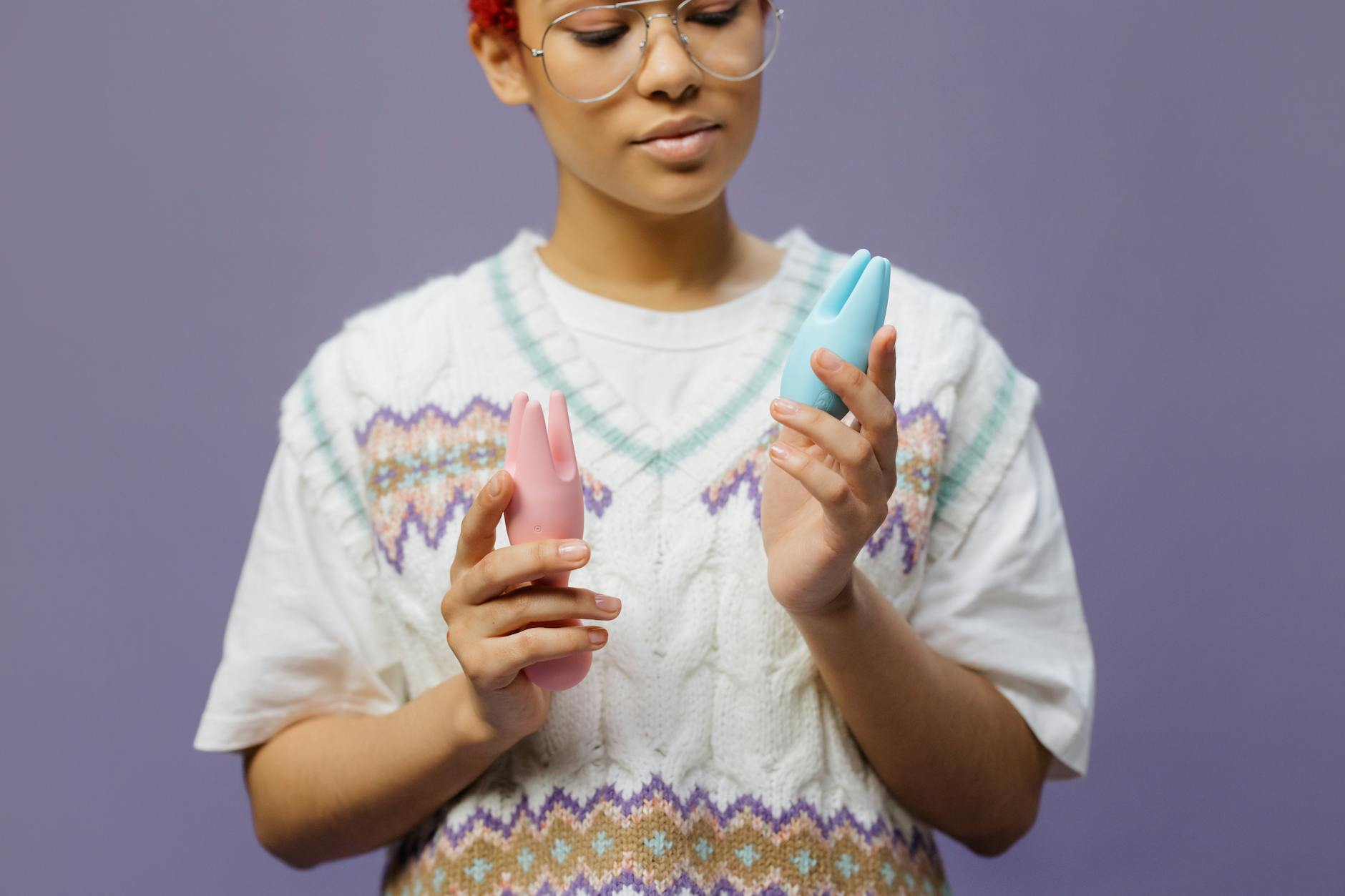
When sensation fades, pleasure feels impossible
Reduced sensitivity sneaks up on you. One day you notice it takes longer to feel aroused. Then longer to reach orgasm. Then you're wondering if you'll reach one at all. It's frustrating, isolating, and weirdly common. Medication side effects, hormonal changes, aging, nerve damage from surgery, even chronic stress can all numb the very pathways that used to light up easily.
But here's the thing: numbness is not the same as broken.
Your nervous system is still there. Your capacity for pleasure is still there. What's changed is sensitivity, and sensitivity is surprisingly responsive to the right kind of stimulation. That's where lemon clitoral vibrators, specifically the precision air-suction design, become genuinely transformative.
Why sensitivity drops in the first place
Let me break down what's actually happening when sensation feels muted.
Nerve density in the clitoris is incredibly high, but nerve function depends on blood flow, hormonal signaling, and consistent stimulation. When any of those three things shift, sensation changes. Medications like SSRIs or blood pressure drugs reduce blood flow to sensitive tissue. Hormonal fluctuations (menopause, thyroid issues, PCOS) alter how nerves respond to stimulation. Stress and anxiety literally tell your nervous system to dial down sensation as a protective mechanism. Even pelvic surgery can temporarily or permanently reduce nerve sensitivity in the area.
The problem with traditional vibrators when you're dealing with reduced sensitivity is that they rely on direct friction or pressure. If your nerves aren't firing the way they used to, more friction often just feels numb. You end up chasing intensity without ever quite landing on pleasure.
How air-suction technology wakes up numb tissue
This is where lemon sexual toys fundamentally change the game.
Air-suction (the technology in a lemon clitoral vibrator) works completely differently from standard vibration. Instead of friction or pressure, it creates a gentle rhythmic pulse of suction around the clitoris. This pulse stimulates the nerve endings without the same mechanical stress that can feel overwhelming or, conversely, completely blank.
Why this matters for reduced sensitivity: air-suction activates different nerve pathways than direct vibration. It's like waking up a circuit board that's been in sleep mode. The pulsing sensation is easier for deadened nerves to detect and respond to. You're not fighting against numbness with more pressure. You're using a different mechanism entirely.
I've worked with dozens of people who tried dozens of vibrators before discovering that a lemon sucker actually unlocked sensation they thought was gone. The consistency of the pulse, the gentle pressure, the way suction builds arousal gradually instead of trying to jolt it into being. That works.
The role of tempo and building intensity
When sensation is reduced, pacing matters more than power.
Most people with sensitivity loss instinctively turn up the intensity, hoping that more vibration will cut through the numbness. What actually happens is the nervous system works harder to ignore it. You're not creating connection; you're creating fatigue.
With a lemon vibrator, start at the lowest pattern (usually 1-3 on the dial). Spend real time there. I mean 5-10 minutes at the gentlest setting. Your nervous system needs time to recognize the signal and route it toward pleasure instead of just mechanical sensation.
Then shift up one pattern. Wait another few minutes. Let sensation build. This gradual approach does something crucial: it teaches your body to distinguish between stimulation and numbness. You're re-establishing the connection between touch and pleasure.
When sensation feels lost, the solution isn't always more force. It's precision, patience, and the right mechanism.
Combining air-suction with external changes
Technology helps, but it's not magic on its own.
Three things that amplify what a lemon clitoral vibrator can do:
First, stress management. Anxiety literally dampens nerve response. If you're using a vibrator while scrolling your phone or thinking about tomorrow, your nervous system is still in protective mode. Actual relaxation before you start (ten deep breaths, a warm shower, even just lying down for five minutes) genuinely changes sensation.
Second, lubrication. Water-based lube is your friend when sensitivity is low. It reduces friction, allows for longer sessions without irritation, and actually increases sensation by protecting delicate tissue so more nerve endings can wake up.
Third, partner involvement if you have one. Sometimes reduced sensitivity during solo play improves when a partner is involved because emotional connection and anticipated touch shift the nervous system into a receptive state. If you want to explore this, a lemon sexual toy can be part of partnered play too. Communication about pressure, pacing, and what you're feeling is essential.
When medication is the culprit
If you're taking SSRIs, beta-blockers, or other meds that affect sensation, talk to your doctor about timing.
Many SSRIs hit maximum effectiveness 1-2 hours after you take them. Some people find that shifting when they take their dose (if the doctor approves) gives them a window where sensation is slightly sharper. Others find that using a lemon clitoral vibrator 45 minutes into their dose, when the medication is circulating but hasn't completely dampened response, works better.
The point: you have more agency than you think. Work with your prescriber if medication is the issue. Sometimes a small timing adjustment or a different medication with fewer sexual side effects is possible. And yes, a lemon vibrator specifically designed to work with reduced sensation can bridge the gap while you're sorting that out.
Distinguishing numbness from other barriers
Here's what I need to flag: reduced sensation isn't always physiological.
If you're dealing with numbness only in certain contexts (with a particular partner, or only during solo play, or only after specific life events), the issue might be emotional rather than physical. Grief, trauma, shame, or disconnection can absolutely feel like numbness. A lemon sexual toy won't fix that alone.
That said, sometimes using a lemon vibrator is the first step toward reconnecting with your body emotionally. The sensation work becomes a gateway to exploring what emotional barriers exist. You're not trying to force pleasure. You're gently reestablishing a relationship with your own body.
If numbness has been persistent across all contexts and nothing physical has changed recently, a conversation with a doctor is worth it. Reduced sensation can indicate nerve damage, hormonal imbalance, or circulation issues that benefit from actual treatment.
Resetting expectations around pleasure
This is maybe the most important part.
When you're dealing with reduced sensitivity, the orgasms you have might look different from what you're used to. They might take longer. They might feel smaller or less intense. They might arrive differently altogether. Fighting against that difference keeps you stuck.
Instead, get curious about what pleasure is possible right now. A lemon clitoral vibrator helps you discover that. Maybe your new orgasms are quieter, more internal, more focused in one area instead of radiating everywhere. That's still an orgasm. That's still pleasure. That still counts.
The shift from "I used to feel this way and I want that back" to "Let me discover what I can feel now" is the psychological move that makes physical tools actually work. You're meeting your nervous system where it actually is, not where you wish it would be.
FAQ
Can a lemon clitoral vibrator work if I've lost sensation from pelvic surgery?
Yes, often yes. Air-suction technology is gentler on healing or permanently altered nerve tissue than traditional vibration. Start at the lowest setting and use it consistently. Nerve regeneration and reconnection takes time, sometimes months, but many people report significant improvement. If you're still in the immediate post-surgery window (first 2-4 weeks), check with your surgeon first.
How long does it usually take for sensation to return when using a lemon vibrator?
This varies wildly. Some people notice changes within a few sessions. Others take weeks of consistent use. Part of what makes air-suction effective is that using it regularly seems to retrain your nervous system gradually. Give it at least two weeks of regular use (3-4 times per week) before deciding if it's working for you.
Is reduced sensitivity from antidepressants permanent?
Not necessarily. It's often dose-dependent, timing-dependent, or medication-specific. Some SSRIs have lower sexual side effects than others. Some people find sensation returns after their nervous system adjusts (usually 2-3 months in). A lemon clitoral vibrator can help restore sensation in the meantime while you work with your doctor on adjusting dosage or trying a different medication.
Can I use a lemon sucker if sensation loss is from diabetes or neuropathy?
Maybe, and it's worth exploring with your doctor. Neuropathy affects nerves differently depending on severity and cause. A lemon vibrator's gentler mechanism is often better tolerated than traditional vibrators in early-stage neuropathy. You may need to stay at lower patterns permanently, but that's still functional pleasure.
What if nothing helps my sensitivity come back?
Then the work becomes accepting and adapting pleasure rather than restoring it to baseline. Some people find that exploring internal stimulation awakens different nerve pathways. Others discover that partnered play or fantasy creates arousal even when clitoral sensation is limited. You're not chasing the old version of pleasure; you're building a new one.
Is there a difference between reduced sensitivity and numbness?
Yes. Numbness is total absence of sensation. Reduced sensitivity means you can still feel something, but it's muted, slower to arrive, or requires more stimulation than before. A lemon sexual toy works well for reduced sensitivity. True numbness might require medical investigation first to rule out nerve damage or circulation problems.
The pleasure you have access to right now is worth exploring
Reduced sensitivity is real, and it's genuinely frustrating. But it's not the end of sensation or pleasure. Your nervous system is adaptable, responsive, and far more resilient than it feels when you're in the thick of it.
A lemon clitoral vibrator is a precision tool for that adaptation. It's not a workaround or a second-best option. It's a different mechanism that often works better for bodies dealing with sensation loss than conventional vibrators ever could.
Start low. Go slow. Give your nervous system time to wake up. The pleasure on the other side of numbness often surprises people with how good it actually is.