The shift nobody talks about
Let's be real. At some point, maybe after a major life event, a relationship change, or just years of the same routine, someone decides to pivot toward internal stimulation. Maybe a partner wants to focus on penetration. Maybe you're curious about what your body can do differently. Maybe someone told you that real orgasms come from inside. (That last one is a myth, but it lands anyway.)
What happens next is almost predictable. The clitoral vibrator you've relied on stops feeling like enough. Or it starts to feel wrong. The sensation that used to work feels flat, or too much, or weirdly disconnected from what's happening internally. And the panic kicks in: "Did I break myself?"
You didn't. This is a real thing, and it's fixable.
Why internal-only sensation feels different
Here's the anatomy part without the textbook language. Your clitoris and your vaginal opening are connected by the same nervous system, but they're distinct zones. The clitoris has about 8,000 nerve endings packed into a tiny space. That density is why external vibrators like lemon clitoral vibrators create that concentrated, immediate response.
Your vaginal canal has fewer nerve endings overall, but they're distributed differently. They respond to pressure, movement, and stretch more than direct vibration. When you shift focus internally, you're asking your body to rely on a different sensory pathway.
The problem isn't that your clitoris stopped working. It's that you've trained your nervous system to anticipate external sensation, and your brain gets confused when the signal changes. It's like switching from a phone to a tablet. Same information, different interface, and suddenly your thumb doesn't know where to land.
The transition phase (what to expect)
Three things happen when you're making this shift.
First, arousal takes longer to build. Without that concentrated external vibration, your body needs more time to warm up. Budget 20-30 minutes instead of 10. This isn't a problem. It's an invitation to slow down.
Second, your clitoris doesn't disappear. This is important. Internal stimulation isn't a replacement for external sensation. It's a complement. Your body still wants clitoral input, but the type of input changes. Instead of direct vibration, you might respond better to indirect pressure, or to the clitoral network being stimulated from the inside out.
Third, sensation can feel muted at first. If you've been using powerful external vibrators, switching to internal-only can feel anticlimactic. Your nervous system has become accustomed to a certain intensity level, and now you're asking it to respond to a gentler signal.
Where lemon clitoral vibrators fit in
Here's the thing that changes everything. If you're trying to transition away from purely internal stimulation but you're struggling with sensation, the answer isn't to abandon external tools entirely. It's to use them differently.
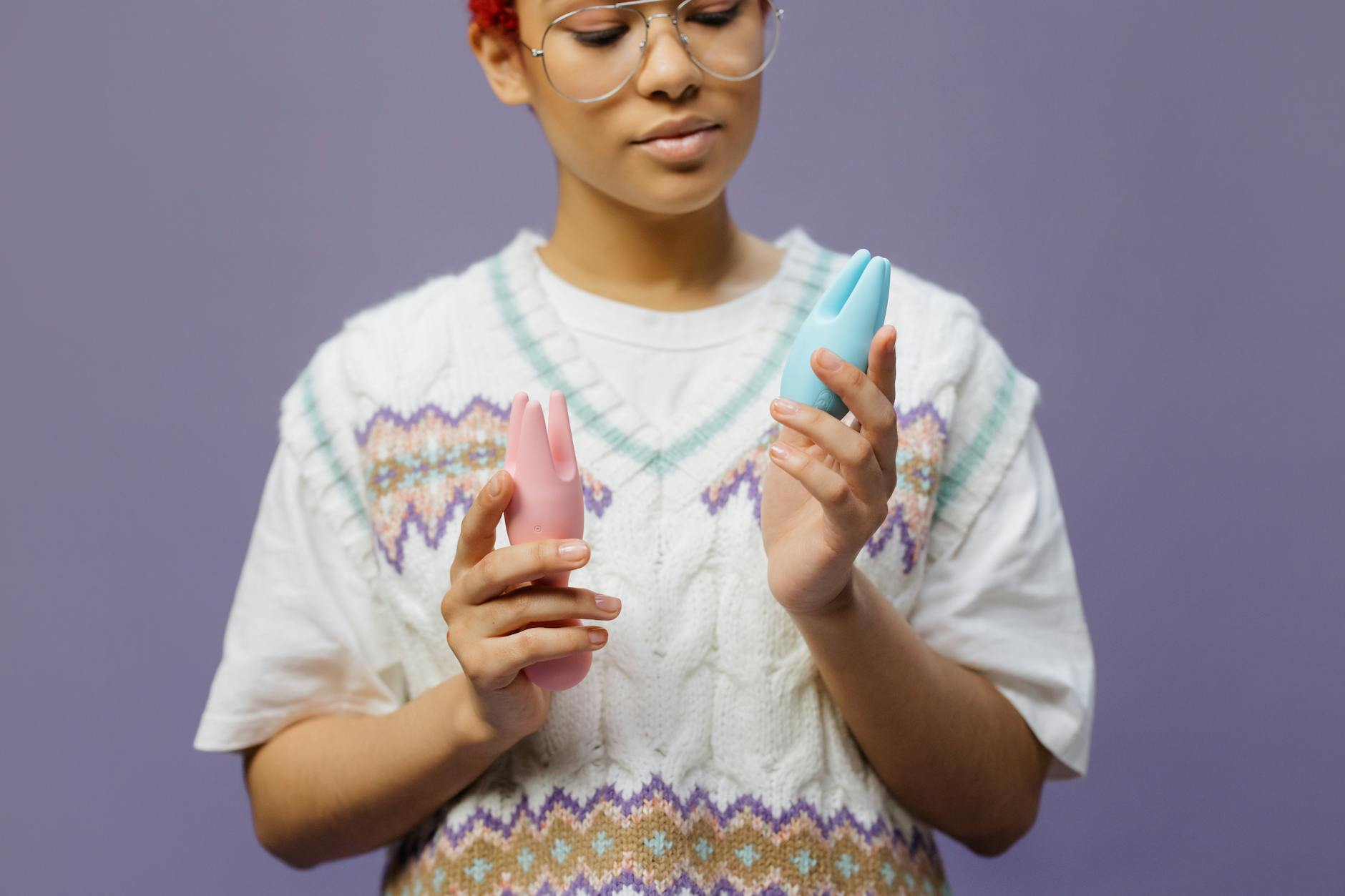
Lemon vibrators work through suction and pulsing patterns, not traditional vibration. That matters when you're trying to rebuild connection with your clitoris without that overwhelming direct buzz. The suction creates a gentler, more indirect stimulation that works beautifully as a bridge between external-only and internal-focused pleasure.
Think of it this way: you're not going back to what you were doing. You're integrating. A lemon clitoral vibrator can be used before internal play to warm up your nervous system, creating a foundation that makes internal stimulation feel more connected. Or it can be used alongside internal play, without the aggressive vibration that can actually distract from what's happening inside.
Practical steps for the transition
Start with external-only sessions for 3-5 minutes. Not until orgasm, but until you feel that familiar warm response. This is teaching your brain that external sensation is still available.
Then add internal stimulation gradually. Once you're warmed up, introduce internal play slowly. Your body will be primed, and internal sensation will feel more integrated rather than isolated.
Use lower patterns. If you were using your lemon vibrator on pattern 4 or 5, dial it back to pattern 1 or 2 during transition. Your nervous system has been recalibrating, and gentler input helps that process.
Extend your warm-up time. Go from 10 minutes to 20. The additional time isn't wasted. It's building anticipation and allowing your pelvic floor to relax fully, which changes how internal sensation registers.
Pay attention to your pelvic floor. When we shift toward internal focus, the pelvic floor often tenses up in anticipation. Spend time consciously relaxing it. This sounds simple, but it's the difference between sensation that feels sharp and sensation that feels integrated.
Why the transition matters beyond pleasure
This isn't just about getting off. It's about your body's capacity to experience different types of connection. When you can move fluidly between external and internal sensation, you expand what's possible for you solo and with partners.
Some people find that internal-only stimulation becomes their primary source of pleasure, and that's beautiful. Others discover they need both, or that they cycle between preference depending on mood, stress level, or where they are in their cycle. None of those outcomes are failures.
The transition period isn't a sign you're broken. It's evidence that you're asking your nervous system to do something different, and nervous systems need time to adapt.
When to get support
If pain shows up during internal stimulation, see a pelvic floor physical therapist. If tension stays high no matter how much you try to relax, that's also worth exploring with a professional. These aren't judgments. They're data points.
If sensation stays completely flat after 4-6 weeks of intentional practice, consider that hormonal factors, medication, or stress might be playing a role. A menopause specialist or your doctor can help sort that. As mentioned in our guide on how lemon vibrators help restore sensation after hormonal changes, hormonal shifts are real, measurable, and addressable.
If you're working with a partner and they're pushing for internal-only focus while dismissing your need for external sensation, that's a relationship conversation, not a sexual one. How to use lemon vibrators when you feel self-conscious with a partner covers this dynamic in depth.
FAQ: Moving between external and internal pleasure
**### Can I damage my clitoris by switching focus?
No. Your clitoris isn't a muscle that atrophies from disuse. It's a sensory organ, and it stays responsive. What changes is your brain's attention, not your body's capability.
**### Why does internal stimulation feel less intense than external?
Your clitoris is designed for sensitivity. It has roughly 8,000 nerve endings in a small area, so concentrated vibration hits harder. Your vaginal canal responds to pressure and movement, which are different sensations altogether. Less intense doesn't mean less pleasurable once your nervous system adjusts.
**### How long until internal sensation feels as good as external?
Variability is huge here. Some people feel integrated within 2-3 weeks. Others need 8-12 weeks. Stress, hormones, relationship dynamics, and how much intentional practice you're doing all matter. There's no standard timeline.
**### Should I use my lemon vibrator during internal play or before?
Both work. Before is great for warm-up and nervous system priming. During works if you want combined sensation. Experiment without pressure. Your preferences might shift week to week.
**### What if I just want to go back to external-only?
You can. Your body isn't locked into one path. Pleasure is flexible. If internal stimulation doesn't work for you, external sensation is still available and still valid. There's no obligation to like everything.
**### Can medication affect this transition?
Absolutely. Antidepressants, antihistamines, blood pressure meds, and hormonal birth control can all impact sensation and arousal. If you've started or stopped medication recently and your sensation shifted, that's worth discussing with your doctor.
The reframe
Transitions in pleasure aren't failures. They're evidence that your body is complex, responsive, and capable of surprising you. Sensation changes. Preference shifts. That's not broken. That's alive.
If you're navigating this shift and feeling lost, you're not alone. Your body knows how to adapt. Sometimes it just needs the right support, the right tools, and the permission to take its time.