
Here's what nobody tells you about performance anxiety
Performance anxiety isn't about being bad at sex. It's about the belief that you might be, and the terror of that happening while someone's watching. That fear hijacks the nervous system, tightens the body, and makes arousal impossible. Worse, when one partner is in that headspace, the other partner absorbs the tension. Suddenly you're both performing instead of connecting, and pleasure becomes a test nobody's passing.
I've worked with countless couples stuck in this loop. He's anxious about lasting long enough. She feels the tension and loses her arousal, which makes him more anxious, which makes her feel guilty. Or it flips: she's worried about coming, he feels responsible for making it happen, and the whole thing becomes exhausting instead of fun.
Lemon vibrators solve a specific piece of this problem. They're not a fix-all, but they shift the entire dynamic in ways that matter.
Why performance anxiety thrives in silence
Performance anxiety feeds on unspoken pressure. When one person feels responsible for the other person's pleasure, everything tightens. When the other person feels like a passenger waiting to be satisfied, they disconnect. The sex becomes transactional. Goal-focused. Tense.
Here's what I notice in my practice: couples recover from performance anxiety faster when pleasure becomes a shared focus instead of one person's job. That's where lemon clitoral vibrators enter the picture.
Using lemon sexual toys together—actually together, not one person using it while the other person lies there—creates a fundamentally different vibe. You're both actively engaged in the moment. Both exploring sensation. Both present. The pressure shifts from "I need to perform" to "we're discovering what feels good right now."
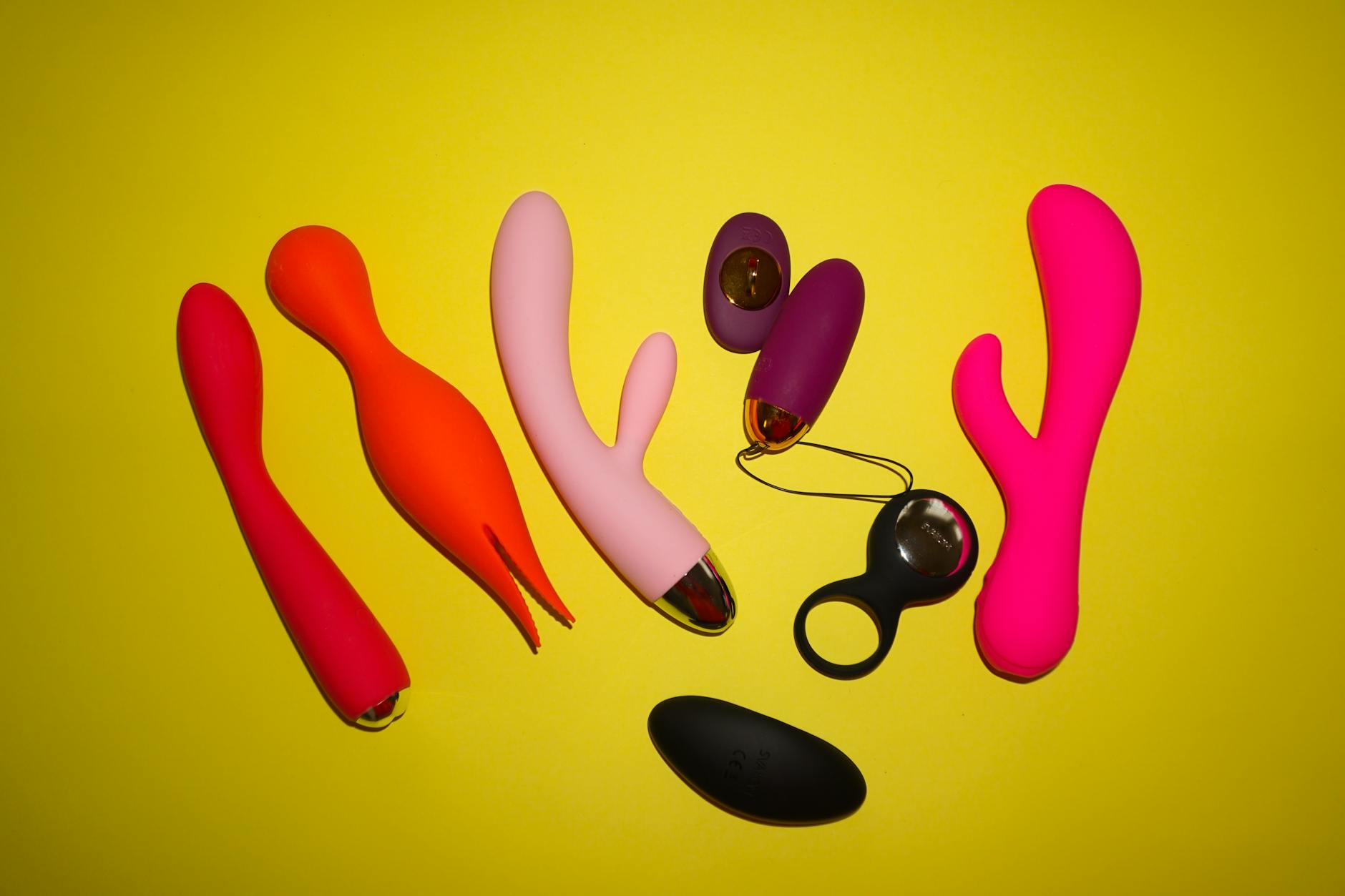
Photo by FounderTips on Pexels
The specific mechanics that help
Let me be concrete about what happens when you introduce a lemon vibrator into this dynamic.
First, the physical sensation. Clitoral vibrators like the Lemon work through air-pulsation technology that stimulates without the intensity of direct friction. That matters for someone with performance anxiety because it takes the focus off your partner's arousal timeline. Instead of watching and waiting for her to finish, you can both watch the sensation building. She's not performing an orgasm. The vibrator is doing the work. He's watching it happen, not trying to make it happen.
Second, the permission structure. When a toy is in the room, it reframes the entire conversation. You're not having sex "the traditional way." You're exploring together. That tiny mental shift removes the pressure to perform. He doesn't have to be the sole source of stimulation. She doesn't have to come from what he's doing. You're both just... here.
Third, the touch dynamic changes. Many couples with performance anxiety are stuck in a cycle where sex feels obligatory and tense. Introducing a vibrator can actually open space for slower, more connected touch. You can use the lemon vibrator on her while you're both slowing down, kissing, paying attention to each other. The device is working. Your hands are free for connection.
How to actually introduce this without making it weird
Here's the thing: if you just pull out a lemon vibrator and say "let's try this," it can feel like an accusation. Like you're saying "normal sex isn't working." That usually triggers more anxiety, not less.
Instead, name what's actually happening: "Hey, I've noticed we both tense up sometimes. I don't think it's about you or me. I think it's about the pressure we're both feeling." Then: "I read about these lemon clitoral vibrators. The idea is that it takes some of the focus off me, and we can just explore together. Want to try?"
The key is to frame it as collaborative rather than corrective. You're not trying to fix him or improve the situation. You're both trying something new because the pressure isn't working for either of you.
Start with his hands on the vibrator, not yours. Let him choose the pattern, the speed, the pressure. This gives him agency and control. After a few sessions, the novelty wears off and it becomes just another tool you both enjoy.
The conversation that actually matters
Lemon vibrators can shift the physical dynamic, but the mental dynamic requires a different conversation. Performance anxiety lives in shame and secrecy. It thrives when both partners are pretending everything's fine.
I recommend this: pick a time when you're not trying to have sex. Not in bed, not when you're undressed, not when anything's building. Just a regular conversation. And ask each other:
"What am I afraid will happen if sex isn't perfect?" "What do I think it means about me if I can't come / can't last / can't get aroused?" "What do I think it means about our relationship?"
Those answers are where the anxiety actually lives. Maybe he learned growing up that being a man means being sexually skilled. Maybe she internalized the message that her value depends on being sexually responsive. Those aren't problems a vibrator solves. But they're problems you need to know about before you can move through them together.
Here's what usually happens: once you name the fear out loud, it loses 60 percent of its power. You realize you're both afraid of the same things. You both feel the same pressure. And suddenly you're not enemies trying to make sex happen. You're allies trying to undo some old programming.
That's when lemon sexual toys become genuinely useful. Not as a Band-Aid, but as a way to practice pleasure without the performance script.
Using lemon vibrators to rebuild sensation
Performance anxiety deadens sensation for both people. When you're in your head about how you're doing, you can't actually feel what's happening in your body. That's why couples often report that introducing a lemon clitoral vibrator helps them feel more, not just perform better.
Start with 15-minute sessions focused purely on sensation. Not on arousal building toward anything. Just on noticing. What pattern feels good? What speed? What angle? Where does the stimulation land? Are you getting multiple peaks or one big one?
This is not foreplay. This is not a path to intercourse. This is practice in staying present with pleasure instead of chasing an outcome. Most people with performance anxiety have spent so long in their heads they've forgotten how to actually inhabit their bodies during sex.
Use the lemon vibrator as a reset button. "For the next two weeks, this is what we do instead of having sex. We practice just feeling things." That permission releases the pressure.
When to check in with a therapist
If performance anxiety is severe—if it's been going on for years, if it's creating distance in your relationship, if it's tied to past trauma—a sex-positive therapist can help in ways a vibrator can't. I'm not saying this because I want to pathologize a normal problem. I'm saying it because sometimes the anxiety is rooted in something deeper, and untangling it requires professional support.
But for couples where the performance anxiety is situational—a new relationship, a transition, a partner's health change—lemon vibrators combined with honest conversation can genuinely reset the dynamic.
People also ask
Can using a vibrator during sex actually reduce performance anxiety, or does it make it worse?
It depends on how you frame it. If it feels like a tool to fix what's broken, it can increase shame. But if you frame it as "we're trying something new together because the pressure isn't serving us," it usually helps. The key is that both partners experience it as collaborative, not corrective. Most couples report that after the first few times, the vibrator becomes just another way to share pleasure, and the anxiety naturally decreases because the performance pressure is gone.
Should he use the lemon vibrator on me, or should I use it myself while we're together?
Try both and notice what feels different. Many couples find that when he holds the lemon clitoral vibrator, it forces his hands into an active, engaged role, which gives him something to do besides worry about performance. When you use it yourself, it can feel more vulnerable and intimate. Some couples alternate. The point is that you're experimenting together, not following a script.
How long does it usually take for performance anxiety to get better?
For situational performance anxiety, you can notice a shift in one to two weeks if you're having regular conversations and exploring together with something like lemon sexual toys. For deeper, long-standing anxiety, it often takes longer and benefits from therapy. But the pattern you'll notice first is that the texture changes. Sex stops feeling obligatory. You start laughing during it again. That's the indicator that something's shifting.
Is it better to use lemon vibrators or other types of vibrators for this specific problem?
Lemon clitoral vibrators work particularly well for performance anxiety because they deliver consistent, hands-free stimulation that doesn't require a lot of technique or adjustment from a partner. You're not trying to get the angle right or the pressure perfect. The vibrator handles that. That simplicity is the whole point. Other vibrators work too, but the design of lemon devices—specifically engineered for clitoral pleasure—removes a lot of the guesswork that can increase anxiety.
My partner is hesitant about using toys. How do I bring this up without making him feel like I'm rejecting him?
Frame it as you wanting something, not as him being insufficient. "I want to explore more sensation together" is different than "we need to do this because what we're doing isn't working." Start by reading about lemon vibrators together, not in a sexual context. Make it educational and light. If he's still hesitant, don't push. Sometimes men need time to get comfortable with the idea. But often, once the anxiety gets worse, he'll be relieved that there's a tool that can help both of you.
What if performance anxiety is tied to medication or health issues?
If his anxiety is related to antidepressants, blood pressure medication, or a health condition, that's a separate conversation with a doctor. Some medications absolutely affect arousal and sensation, and that's medical, not psychological. But the relational anxiety—the shame, the pressure, the belief that he's failing—that's still there even if the medication is adjusted. So you need both: medical support and relational work.
The reset you're both looking for
Performance anxiety is a relationship problem pretending to be a sex problem. The sex is fine. The pressure is the problem. Lemon vibrators don't fix pressure, but they create space where pressure can release. When you're both focused on sensation instead of performance, when you're both exploring instead of achieving, the whole dynamic shifts.
That's where real recovery starts. Not in more perfect technique. Not in longer sessions or bigger orgasms. But in remembering that you both want the same thing: to feel good together, without all the noise.
If you're ready to explore that together, you've got this. And if the anxiety runs deeper than the vibrator can address, reaching out to a couples therapist is the right move. Either way, you're taking it seriously, and that matters.
Ready to explore what works for your bodies? Let's talk about how to get started.