How to Use Lemon Vibrators During Hormonal Shifts and Contraceptive Changes
Let's be real. Nobody warns you that switching birth control methods or starting a new medication is going to change how your body responds during sex. You might notice arousal takes longer to build, sensation feels different, or orgasms arrive on a completely different timeline. That doesn't mean something's wrong with you or with your pleasure. It just means your body is communicating something new.
Hormonal shifts affect desire, lubrication, genital sensitivity, and how quickly you reach arousal. Lemon vibrators like the lemon clitoral vibrator work brilliantly during these transitions because they offer consistent, targeted stimulation that doesn't rely on your body cooperating the way it used to. They're also flexible enough to adapt as your body adjusts.
How contraception and hormones reshape arousal
Birth control methods work differently on your nervous system and blood flow. Some hormonal contraceptives dial down testosterone, which is the primary driver of desire in people with ovaries. Others change how blood flows to your genitals during arousal. Copper IUDs don't affect hormones at all, but they can make periods heavier and cramps more intense, which sometimes dampens sexual interest simply because your body is managing pain.
When you switch methods, your body needs time to recalibrate. This isn't failure. It's adjustment.
The lemon vibrator's suction mechanism is particularly useful here because it stimulates the clitoral complex without requiring the intense direct friction that can feel uncomfortable when sensitivity is shifting. If you're on a hormonal method that's lowered your sensation, suction-based stimulation like the lemon clitoral vibrator often registers more intensely than traditional vibration alone.
The timeline of hormonal adjustment
Most people experience noticeable changes within the first three weeks of starting new contraception. Your body hasn't settled yet. Arousal might feel muted, lubrication might be thinner, or stimulation that used to feel amazing might feel too intense.
Here's a practical framework for adapting your lemon vibrator use:
Weeks 1-3 (acute adjustment). Start at lower intensity settings (settings 1-2 on your lemon sucker). Extend your warm-up time by at least 10 minutes. Use water-based lubricant even if you don't usually need it. Your body is still figuring out its new baseline.
Weeks 4-8 (settling phase). Your nervous system is adapting. You might notice that patterns that felt weak at week 2 now feel just right. Listen and adjust upward gradually. Many people find their optimal intensity during this window.
Weeks 8+. By now, most hormonal changes have landed. Sensation stabilizes, desire typically returns closer to baseline, and you'll know which settings and approaches work best with your new chemistry.

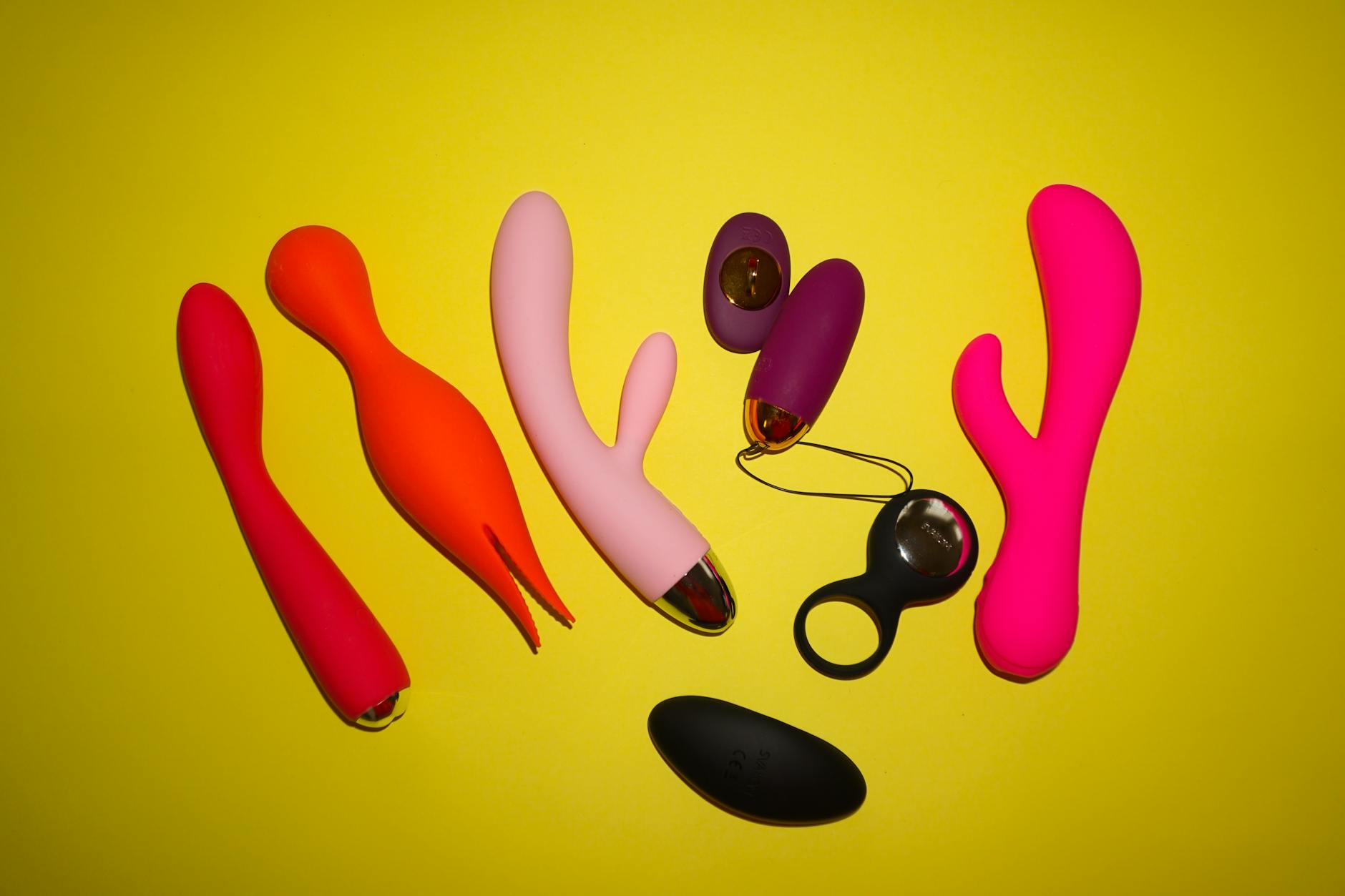
Photo by cottonbro studio on Pexels
Practical adjustments for specific contraceptive changes
Different methods hit your body in different ways. Here's what tends to shift:
Starting or switching hormonal birth control. Desire often drops in the first month because testosterone is suppressed. Lubrication might decrease. The lemon vibrator's advantage here is that you can achieve satisfying sensation without relying on natural lubrication or rapid arousal response. Start at lower intensities, use lube, and give yourself permission to need more warm-up time.
Switching to an IUD (hormonal). Some people experience increased libido with hormonal IUDs. Others report mild to moderate dampening of desire in the first weeks. Sensation in your genitals might feel different because the IUD shifts your pelvic architecture slightly. If you've never used a lemon clitoral vibrator before, an IUD insertion could be an ideal time to explore one. The suction mechanism works well regardless of where your cervix is positioned, which matters more than you'd think with IUDs.
Switching to a copper IUD. Your hormones don't change, but cramping often increases, especially in the first three to six months. More pain, heavier bleeding, and menstrual inflammation can lower interest in sex simply because your body is managing inflammation. Using a lemon vibrator for solo pleasure during non-menstrual windows can help you reconnect with sensation without pressure.
Coming off hormonal contraception. Your testosterone rebounds quickly, sometimes within weeks. Desire usually returns faster than you expect. Sensation can feel sharper. If you've been using a lemon sucker on lower settings, you might find you want to experiment with higher intensities now. This is often a window where people report their best sexual experiences.
Why sensation patterns shift with hormones
Your clitoris and vulva contain estrogen and testosterone receptors. When hormone levels change, tissue thickness and blood flow adapt. Less estrogen often means thinner genital tissue and slower blood engorgement during arousal. Less testosterone means a quieter baseline desire.
But here's what doesn't change: the nerve density, the neural pathways that create orgasm, or your capacity for pleasure. You're working with the same hardware. The software just needed an update.
This is why some people report that the most intense orgasms of their lives happen during periods of hormonal transition, especially if they're using a tool like a lemon vibrator designed to work across different levels of sensation. Consistency of input can actually make pleasure feel more vivid when your body's baseline arousal is lower.
When to troubleshoot vs. when to accept adjustment
If pleasure completely flatlines after a contraceptive change, that's worth discussing with your doctor. There's a real difference between "arousal feels different" and "I have zero interest in sex." The second one sometimes indicates that a particular method isn't right for your body chemistry.
But if arousal is just slower, sensation is muted, or you need different tools than before, that's not a red flag. That's your body doing exactly what it's supposed to do: adjusting.
Using a lemon vibrator during this window lets you explore sensation on your own terms, without the pressure of partnered sex. You get to learn how your body works now, not how it worked before. And honestly? That information is gold for pleasure and for communication with a partner.
Syncing your lemon vibrator routine with your cycle
If you're not on hormonal contraception, you might notice that arousal, sensation, and what feels good shifts throughout your cycle. This is normal and actually offers an opportunity.
During your follicular phase (period to ovulation), estrogen is rising. Blood flow increases. Arousal ramps up faster. You might find that higher intensity settings on your lemon clitoral vibrator feel better than they did a week earlier.
During your luteal phase (ovulation to period), progesterone rises. Some people report slightly decreased desire but deeper, more prolonged sensations. You might prefer spending more time at lower intensities rather than chasing high settings.
You're not broken if what felt good last week doesn't feel good this week. Your body is giving you real information. A lemon vibrator's adjustable settings make it easy to work with that information instead of fighting it.
Managing side effects that dampen pleasure
Some hormonal contraceptives come with side effects that make pleasure harder: mood changes, vaginal dryness, or just a general flatness that makes arousal feel like work.
If you're experiencing side effects, here's what helps:
Keep using the lemon vibrator, but reframe the practice. Instead of aiming for orgasm, use it as a grounding and sensation-reconnection tool. Set a 15-minute timer. Use lube. Focus on what you can feel, not what you think should happen. Many people find that this low-pressure approach actually leads to pleasure faster than pursuing orgasm does.
If dryness is the problem, water-based lubricant is your friend. It's not a sign of failure. It's just physics responding to hormonal change.
If mood or motivation is the problem, that might be a contraception fit issue worth discussing with your doctor. Some methods work better with some bodies than others.
How to talk to your partner about hormonal changes
If you're in a partnered situation, the weirdest dynamic happens when you change contraception but don't tell your partner that your body's responsiveness might shift. They notice you need more warm-up time. You feel frustrated that they're not noticing the shift. Both of you end up confused.
Instead: tell them. "I'm adjusting to new birth control. My body's going to feel different for a few weeks. Here's what would help." Full stop.
Using a lemon vibrator during this window also takes pressure off a partner. You're not asking them to somehow compensate for hormonal changes. You're taking care of your own pleasure while your body settles. That's actually more intimate than pretending everything's the same.
Frequently Asked Questions
Can I use a lemon clitoral vibrator immediately after starting new birth control?
Yes, but start slow. Your sensitivity might be lower, so lower intensity settings often feel better in the first two weeks. Use lubricant even if you normally don't need it. Most people find they can explore higher intensities after week three as their body adjusts.
Does hormonal birth control permanently change how pleasure feels?
No. Your body adapts to hormonal contraception, and sensation stabilizes within a few weeks to a couple of months. If you ever stop using that method, your baseline pleasure response typically returns to something close to what it was before. The lemon vibrator works across all these states because it offers adjustable, consistent stimulation.
What if an IUD makes sensation feel completely different down there?
That's actually common in the first few weeks. Your pelvic anatomy adjusts slightly to accommodate the device. Most people find that sensation normalizes by week four or five. Using a lemon vibrator during this adjustment period helps you explore what feels good now, rather than mourning what felt good before. The suction mechanism works beautifully regardless of IUD position.
Can I use my lemon sucker if I have a hormonal IUD?
Completely. The suction mechanism of a lemon vibrator doesn't interact with an IUD. Just avoid any toy that might tug on the strings. A lemon clitoral vibrator only makes contact with external tissue, so there's zero concern there.
Should I stop using my lemon vibrator if hormonal changes kill my desire?
Actually, this is when using it becomes most valuable. Lower-pressure, solo exploration with a tool like the lemon vibrator can help reconnect you with sensation when desire feels absent. You're not chasing anything. You're just checking in with your body. That often reignites interest faster than forcing partnered sex does.
How long does it take for hormones to settle after a contraceptive change?
Most people notice significant stabilization by week four, and full adjustment by week eight to twelve. During this window, your lemon vibrator is your consistent variable. Your body's responding patterns might shift, but the tool stays the same, which actually makes it easier to notice what's changing.
You're not starting from zero
Hormonal shifts aren't a setback. They're information. Your body's still capable of intense pleasure. The pathways are still there. The sensation is still available. You're just working with different chemistry for a while, and that's okay.
A lemon vibrator bridges that gap because it works across different arousal baselines, different levels of genital sensitivity, and different warming-up timelines. It's not forcing your body to perform in a particular way. It's meeting your body where it actually is right now.
Want to explore how to choose a lemon vibrator that works best for your specific sensitivity level? We've got a full guide on how to choose the right lemon vibrator based on your sensitivity level.
If you're navigating hormonal changes alongside other life shifts, how to use lemon vibrators when reconnecting with your body after grief covers the emotional side of that recalibration too.
Have questions about how your contraceptive choice might affect pleasure, or want personalized guidance on navigating this transition? Reach out to us. We're here to help.